Inspiration
Articles and headlines that matter
Inspiration
Articles and headlines that matter
Inspiration
Articles and headlines that matter
Inspiration
Articles and headlines that matter
Shortcuts
The need for speed is a quality on it's own
Super-cognition for CBRN operations on-track in EDF's MoSaiC
RE-liON wins framework contract for digital twin technology in defense
RE-liON wins European Defense Fund contract to enhance C4I with Immersive Technology
What makes a Smartvest Smart?
SUIT VR Backpack Mk2 Nearing Completion
Thoughts about increasing Efficiency in Learning
The Positive Impact of Informal After Action Reviews
Tactical Belt Prototype in H2020 SHOTPROS
Beyond Weaponry: the Warfighter is Key to Deterrence and Winning
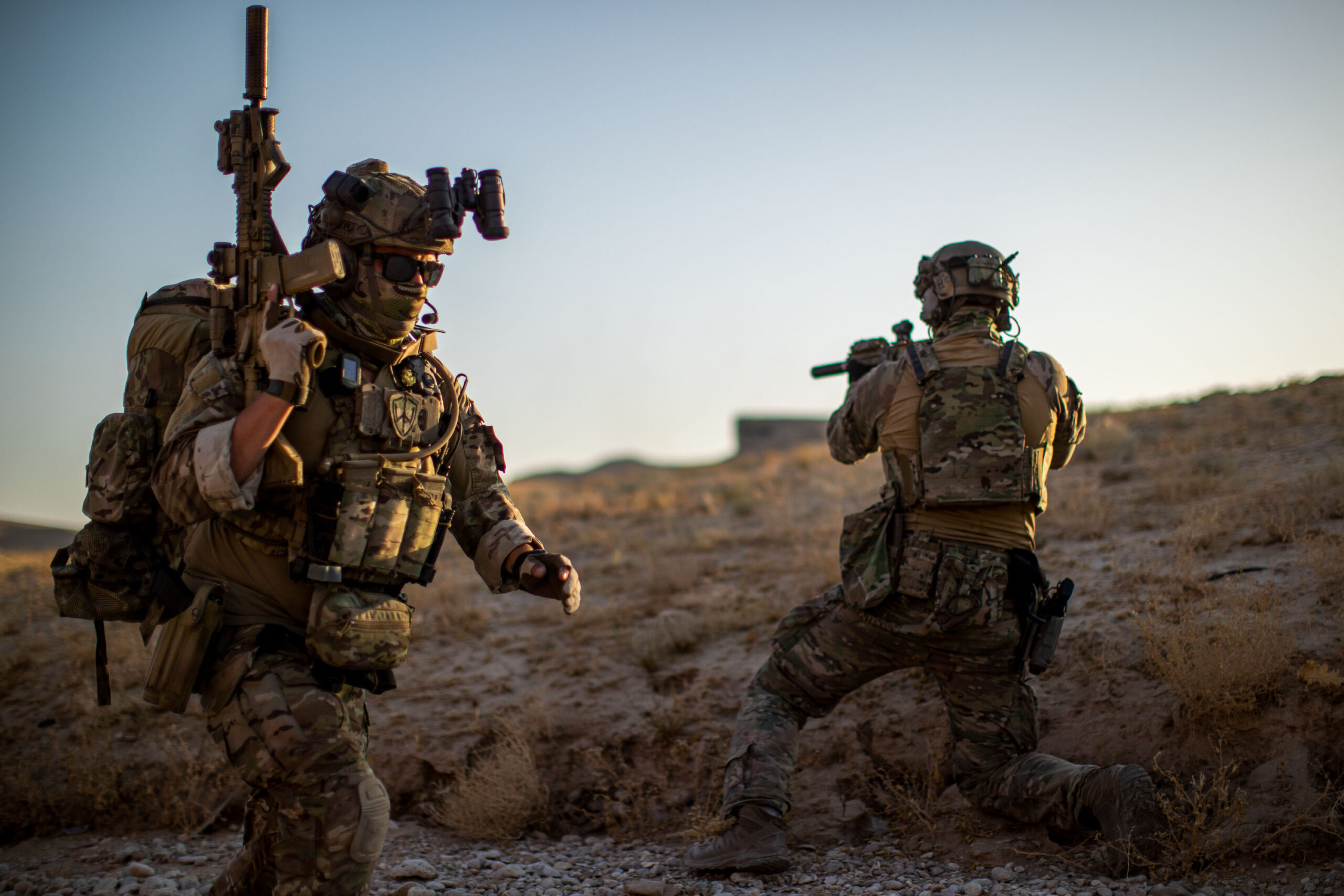
In modern military strategy, deterrence is key, relying heavily on the readiness and presence of highly skilled warfighters. Only when deterrence fails does the objective shift to war fighting. Thus, warfighters, supported by weapon systems and other assets, are central to operations.
Why Maintaining a Ready Warfighter Force is Hard
Maintaining a robust warfighter force is demanding, requiring ongoing training and significant investment as they’re a scarce asset. This challenge is worsened by declining Western populations and the complexities of tech-driven warfare, which demand advanced training and greater readiness. The professional warfighter’s vulnerability is a major concern, especially as they often suffer heavy casualties in major conflicts. For example, the conflict in Ukraine demonstrated the challenges of replacing skilled warfighters with less experienced civilians, a process that requires a significant increase in numbers and capability.

Warfighters are vital, underscoring the need to prioritize their education, training and professional development. While traditional defense strategies often focus on enhancing weapon systems, the world needs more organisations innovating to amplify warfighters’ lethality through cognition and operational reach.

“The most important 6 inches on the battlefield, is between your ears”

— General Jim Mattis, US Marine Corps

Historical Context: Scaling Military Forces

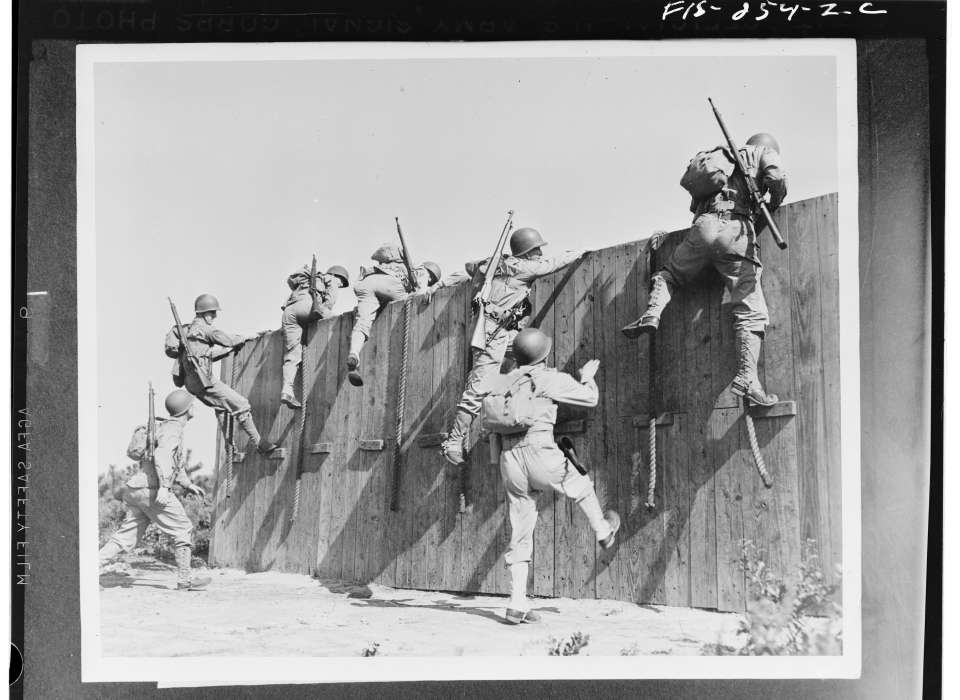
World War II saw the U.S. military’s personnel swell from 175.000 to 8 million due to the 1940 Selective Training and Service Act, mirroring Ukraine’s current rapid military expansion. This massive scale put immense pressure on resources, a situation now that can be alleviated by off-the-shelf, dual-use solutions allowing decentralized, on-demand use in both training and operations.
How to Amplify Warfighter Lethality
By integrating continuous sensing and data, these solutions actively oversee warfighter performance. It also utilizes immersive technology to present spatial and tactical problems in ways that are intuitive and easy to understand, drastically improving readiness. Future developments will allow small teams to effectively plan missions and control whole arrays of unmanned systems, thereby expanding warfighter reach without causing cognitive overload. These solutions, similar to RE-liON’s, are poised to become as integral to warfighters as personal communication devices and weapons systems are today. They do more than just prepare warfighters for combat; it revolutionizes how they engage, plan, and in the future: execute missions.
Sources
  • Picture, https://www.nationalww2museum.org/war/articles/training-american-gi
  • Decline in military personnel, https://ourworldindata.org/grapher/military-personnel?time=1938..latest
Email
Twitter
LinkedIn

Contact us

Fill out the form below and we will get back to you ASAP

Contact us

Fill out the form below and we will get back to you ASAP